



Webinar: Building careers in tax technology
Share this article



Tax technology is reshaping the skills and roles of tax professionals. A recent Future of Tax Professionals webinar explored what this means for those building their careers.
Tax technology is not just changing how tax work is done, but is also impacting the skills, roles and career opportunities available to tax professionals. A Future of Tax Professionals webinar held in September brought together three perspectives on what this means for the profession as it adapts to a changing landscape, and why technological change may bring opportunities as well as challenges.
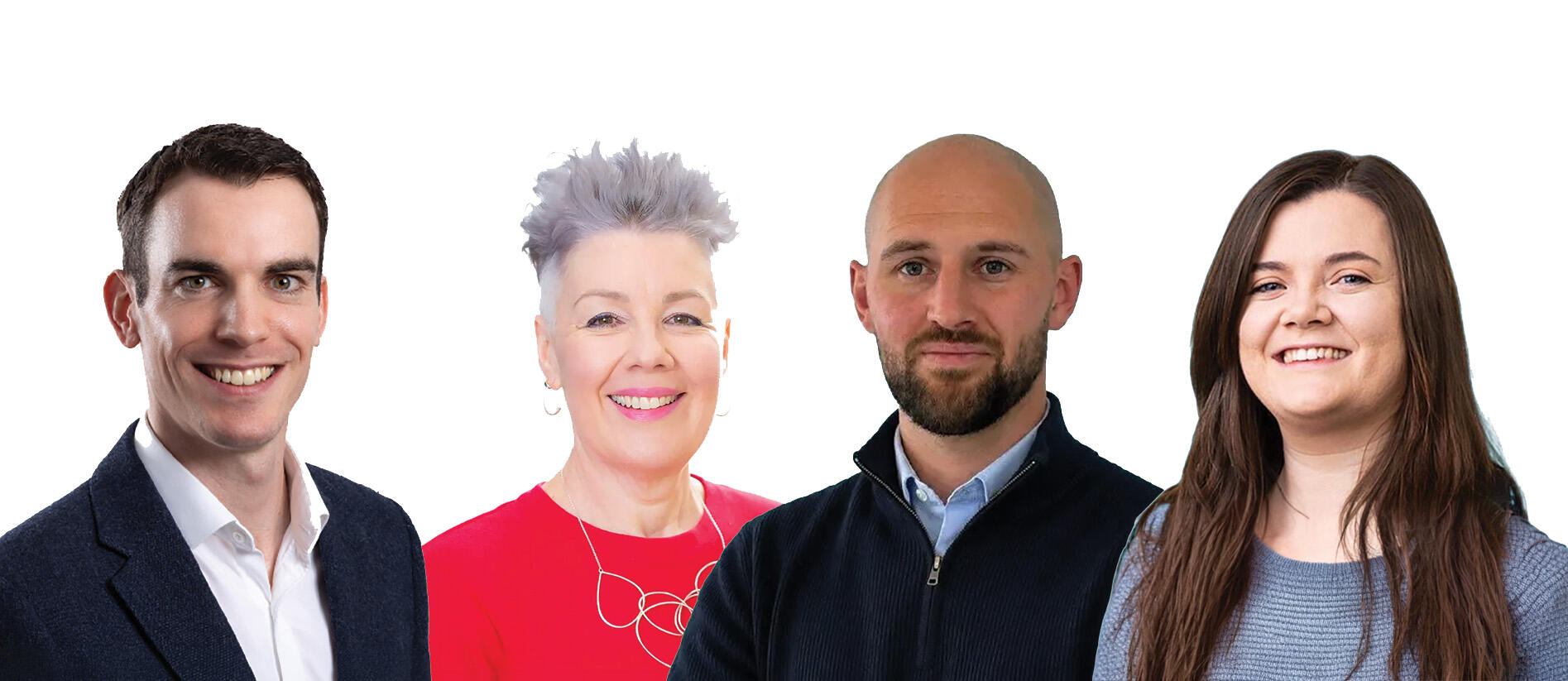
Hosted by Makayla Combes, Chair of the Future of Tax Professionals Committee, the discussion featured Helen Whiteman, CEO of CIOT, Stephen Rimmington, Tax Technology Senior Manager at Saffery, and Alex Mann, Managing Director at Harvey John.
More than AI
A key theme emerged quickly: tax technology is much bigger than artificial intelligence.
For Helen, AI is part of a technological revolution that has been transforming industries for decades. The real change is in where the boundary between tax knowledge and the business of performing tax is moving. As technology increasingly handles elements of research, compliance, data processing and analysis, knowing the answer is often becoming the easier part. The greater challenge is having the judgement and critical thinking skills to assess whether the answer is right, and being able to explain and stand behind it.
Her analogy of AI as a sat-nav for tax professionals captured this neatly. We can follow the blue dot, but when the sat-nav sends us the wrong way up a one-way street, we need the judgement to recognise the mistake rather than blindly follow it.
For Stephen, the impact is already visible in practice. Automation and AI can undertake some of the heavy lifting in processes such as personal tax returns, while data integration and analytics are transforming how tax teams work. But technology works best when it is applied to the right problem. Sometimes a rules-based automation solution or even a spreadsheet may be more appropriate than AI.
That makes data governance, change management and communication increasingly important skills. Successful technology transformation is as much about bringing people with you as it is about choosing the right technology.
Alex brought the recruitment perspective, describing tax technology as a spectrum rather than a single career or job title. Professionals can move along that spectrum from tax towards technology, while others enter from the technology side and develop tax expertise. New roles are emerging constantly, creating opportunities that simply did not exist a few years ago.
Building the right skills
So what should aspiring tax technologists do? The panel’s advice was consistent: be curious, build breadth, develop your technical understanding and don’t wait for a job called ‘tax technologist’ to appear. Stephen encouraged professionals to look for secondments and opportunities to improve existing processes, while Alex emphasised the role of networking and gaining exposure to different environments before specialising. Practical experience was seen as equally important.
Helen’s message was equally clear: build skills now and back them up with structured learning. CIOT’s Diploma in Tax Technology (www.tax.org.uk/ditt) and AI for Tax course (www.tax.org.uk/ai-for-tax) are designed to help tax professionals understand technology without necessarily becoming technology specialists. Technology is also increasingly being embedded in the future CTA qualification, with more on this to come next month.
The webinar challenged the idea that technology will make tax expertise less important. Instead, it is raising the bar. The tax professional of the future will need to combine technical knowledge with judgement, critical thinking, data awareness, communication and curiosity.
For those willing to embrace that combination, the message from the panel was encouraging: tax technology isn’t closing doors, but creating new ones.