



Plans for tackling promoters miss their target
Share this article



CIOT raises concerns with government and parliament over new strict liability offence.
CIOT is warning the government that new legislation aimed at tackling rogue tax agents and promoters of tax avoidance schemes won’t catch all of those it is aimed at, but will make it harder for some taxpayers to get the advice they need to comply with tax laws.
CIOT has set out its concerns in a letter sent to Exchequer Secretary Dan Tomlinson and in written and oral evidence provided to the House of Lords Finance Bill Sub-Committee, who are carrying out a short inquiry into the proposals. This followed up representations made directly to HMRC on the draft Finance Bill legislation by both CIOT and ATT.
In the letter, the Institute expresses support for the objective of raising standards in the tax advice market. However, it argues that the current proposals are not well targeted, imposing potentially unworkable conditions on tax agents, whilst many of the ‘bad actors’ who are the real target of these measures will be out of scope and able to continue their abuse of the system.
CIOT is concerned that, without changes, the proposals will lead many reputable advisers to withdraw from giving advice where the meaning of complex tax legislation is unclear, or where the potential tax liability is high, because of the risk of even honestly given advice leaving them liable to a very large penalty or even a criminal offence.
CIOT has asked the minister to delay the measures to allow HMRC to work with CIOT and others to make the necessary improvements to deliver the government’s policy objectives.
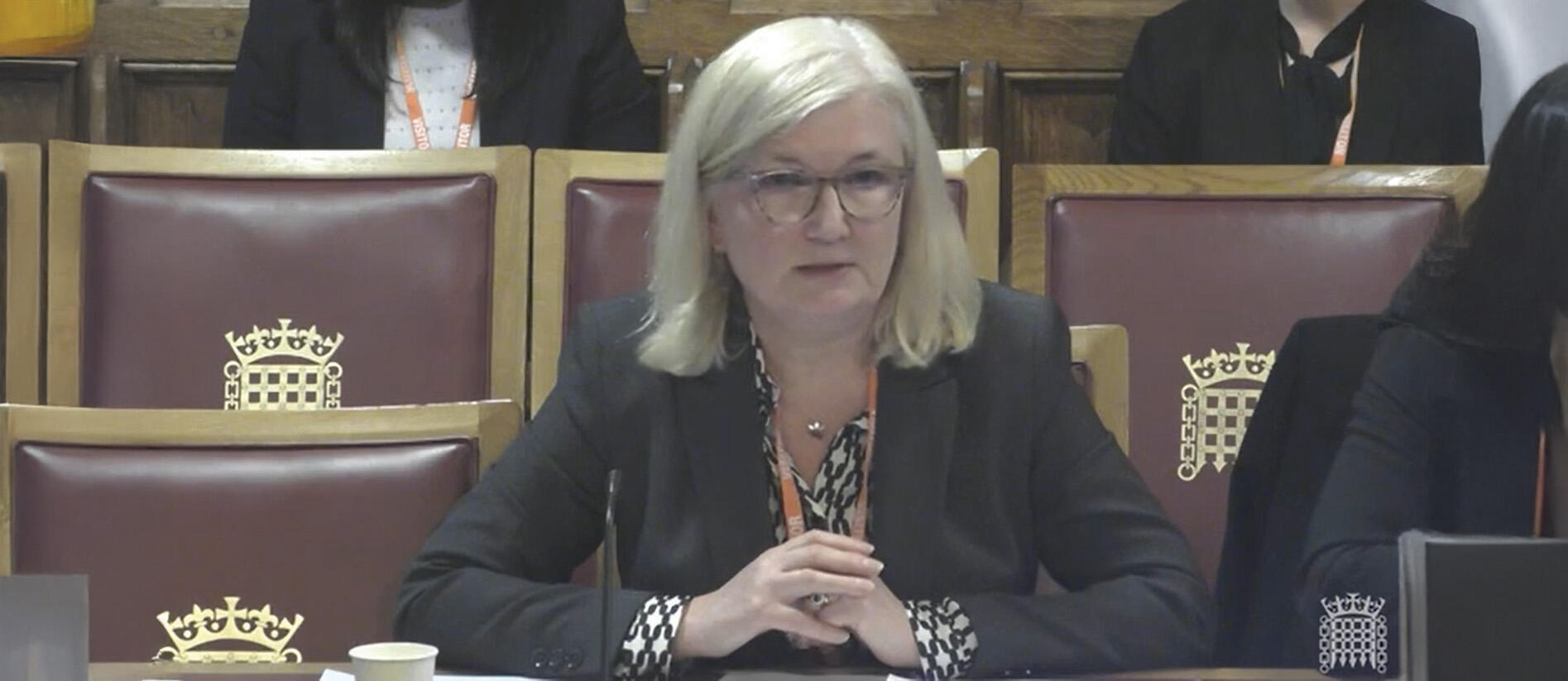
Giving evidence to the House of Lords on 13 October, CIOT Technical Officer Margaret Curran told the committee that the creation of a strict liability offence was problematic. Normally, a strict liability offence is more appropriate where there is a clear line to cross to trigger the offence, she explained, rather than something like this where the hallmarks of avoidance are uncertain.
Margaret suggested the government could look at something more targeted at the types of business models used by promoters and features of their schemes such as generic counsel’s opinions, or at whether legislation could be targeted at avoidance schemes using wording from HMRC’s Standard for Agents.
In its response to the draft legislation, ATT warns that the proposals may not be effective in stopping those operating through offshore entities. Jon Stride, chair of the ATT’s Technical Steering Group, said that ‘while the introduction of Universal Stop Notices may deter onshore promoters, we question whether these additional powers will impact the full range of promoters, and they could be toothless for those operating through offshore entities’.
He urges the government to pursue enhanced international collaboration, bilateral agreements and the development of more robust cross-border enforcement mechanisms, to address the 20 to 30 currently active promoter organisations operating with structures involving offshore jurisdiction.