



Debate: outdated property tax system ripe for reform
Share this article



Britain’s property tax system is outdated and incoherent, but reforming it will not be simple, experts said at a joint CIOT and IFS debate.
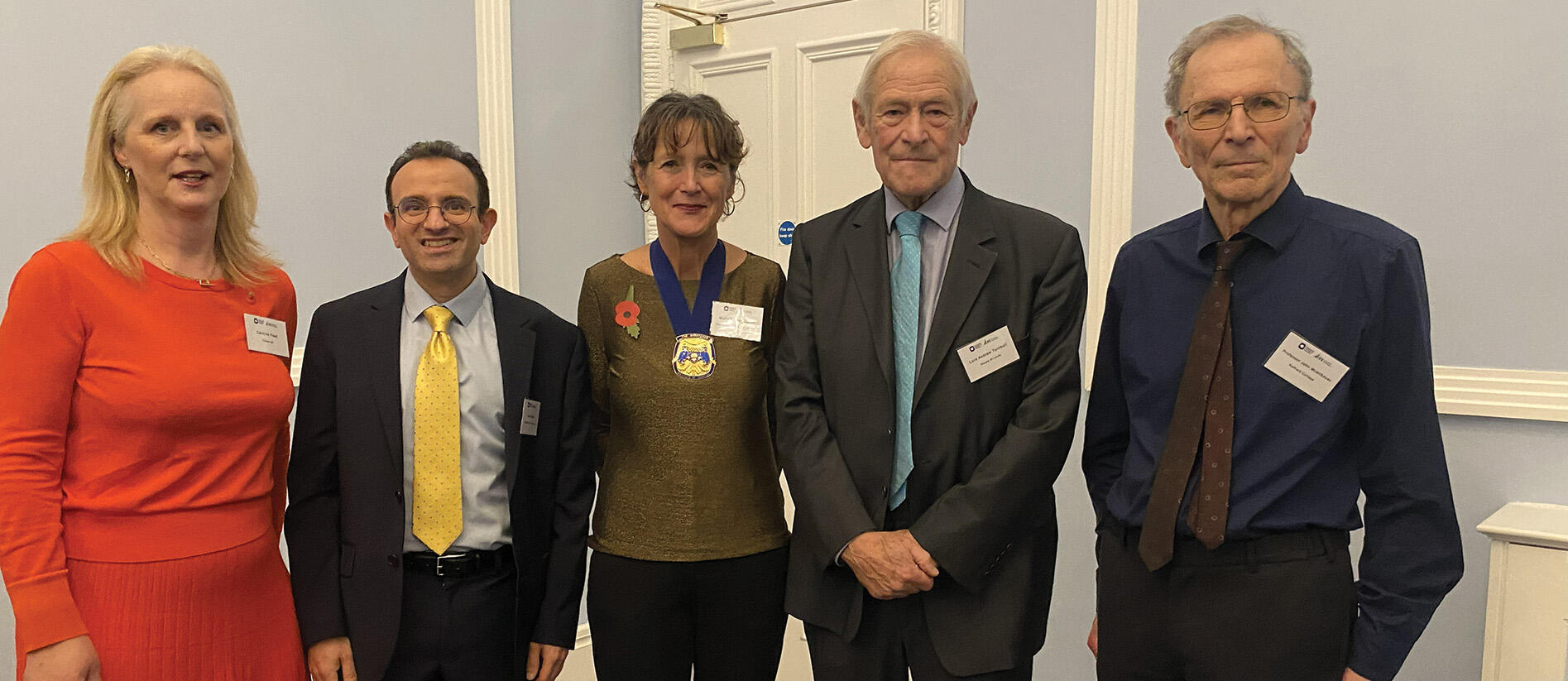
Ahead of the Budget, CIOT and the Institute for Fiscal Studies (IFS) assembled a panel of experts in central London on 6 November to debate the topic: ‘Reforming the taxation of housing: what changes should the Chancellor choose?’ The debate was chaired by CIOT President Nichola Ross Martin.
Stuart Adam, Senior Economist at the IFS, said there are three main issues with council tax: it is based on valuations from 1991; it is a regressive tax with wildly different levels depending on which band a property is in; and (his ‘personal bugbear’) the 25% single person discount, which ‘encourages single adult households to live in properties that are bigger than they otherwise would’. With stamp duty land tax, meanwhile, there was only one problem – ‘that it exists’. IFS argues for a reformed council tax that would charge people a proportion of the up-to-date value of their property.
Professor John Muellbauer, Senior Research Fellow of Nuffield College, Oxford, said he had been campaigning on reform of property taxes since 1987. He proposed council tax reform on an initial ‘small set’ of properties, those in bands G and H, with a 0.5% proportional tax rate on primary residences and 1% on second homes. He said a deferral scheme is a ‘crucial element’ of any tax reform, to address those who are ‘cash poor, property rich’, and suggested a 0.6% stake of the property to the tax authority for each year of deferral – so, for example, if the property was sold in ten years’ time, 6% of the amount it was sold for would go to the tax authority.
Caroline Fleet, Head of Real Estate for Crowe UK and Vice Chair of CIOT’s Property Taxes Committee, observed that while the discussion so far had focused on council tax and SDLT, there were actually 12 taxes to look at when considering residential property, including residential property developer tax, corporation tax and VAT. She said reform had to be looked at in the overall context of all those taxes and called on policy makers to ensure any reform has consistency and reduces complexity.
Lord Turnbull, a former Treasury Permanent Secretary and current member of the Lords Economic Affairs Committee, was a late addition to the panel, replacing Heather Stewart, economics editor of The Guardian, who was unwell. He said that, since 1970, there has been an ‘astonishing reversal’, with earned income now more heavily taxed than unearned income, something he could see no justification for. He said housing has two functions – a roof over your head and a store of value – but the latter was ‘consistently prioritised’ by governments.